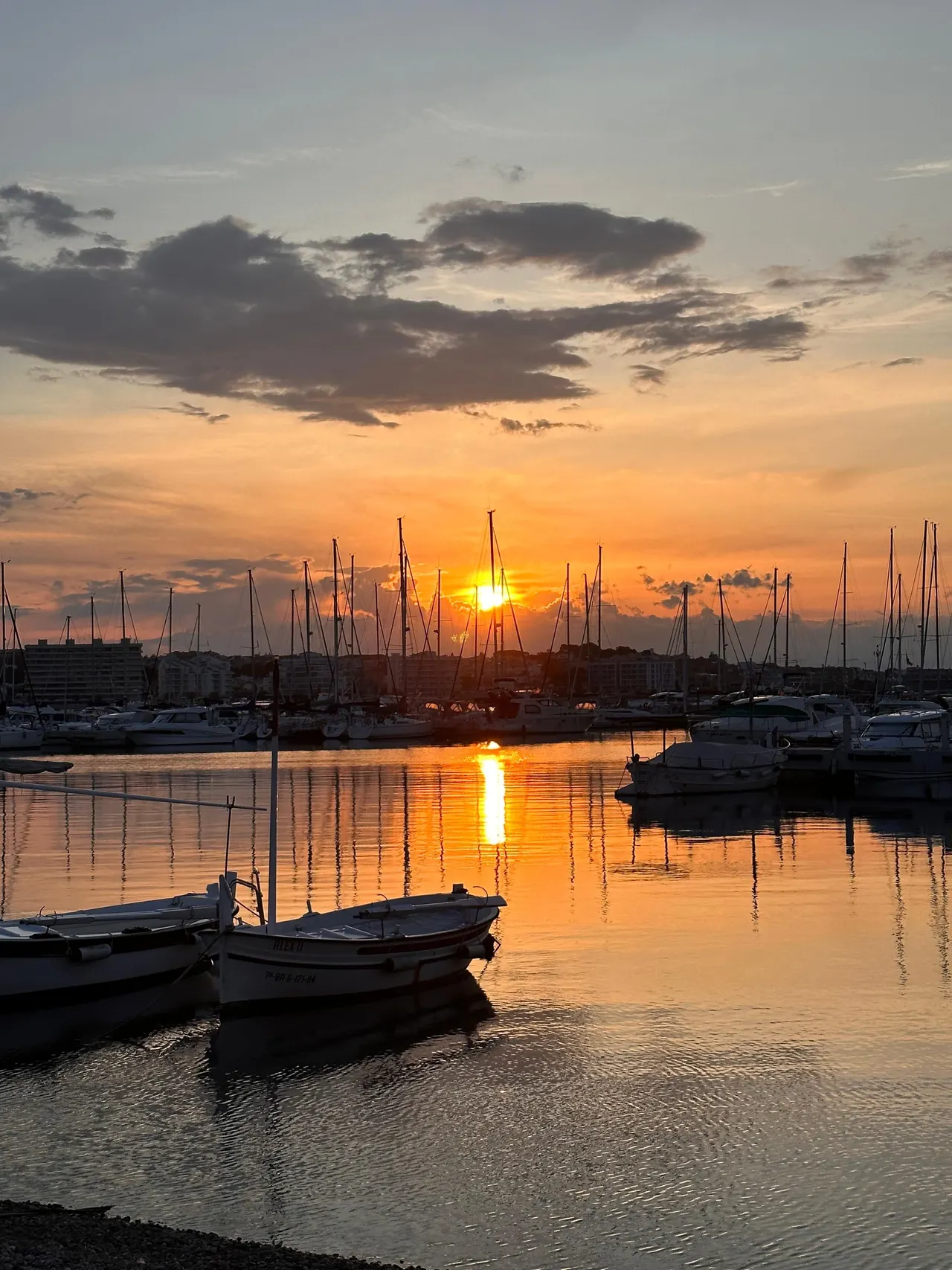
The Mediterranean, reimagined from its origins.
Six houses in the old town of L'Escala. Each with its own rooftop pool.
The Mediterranean came ashore here.
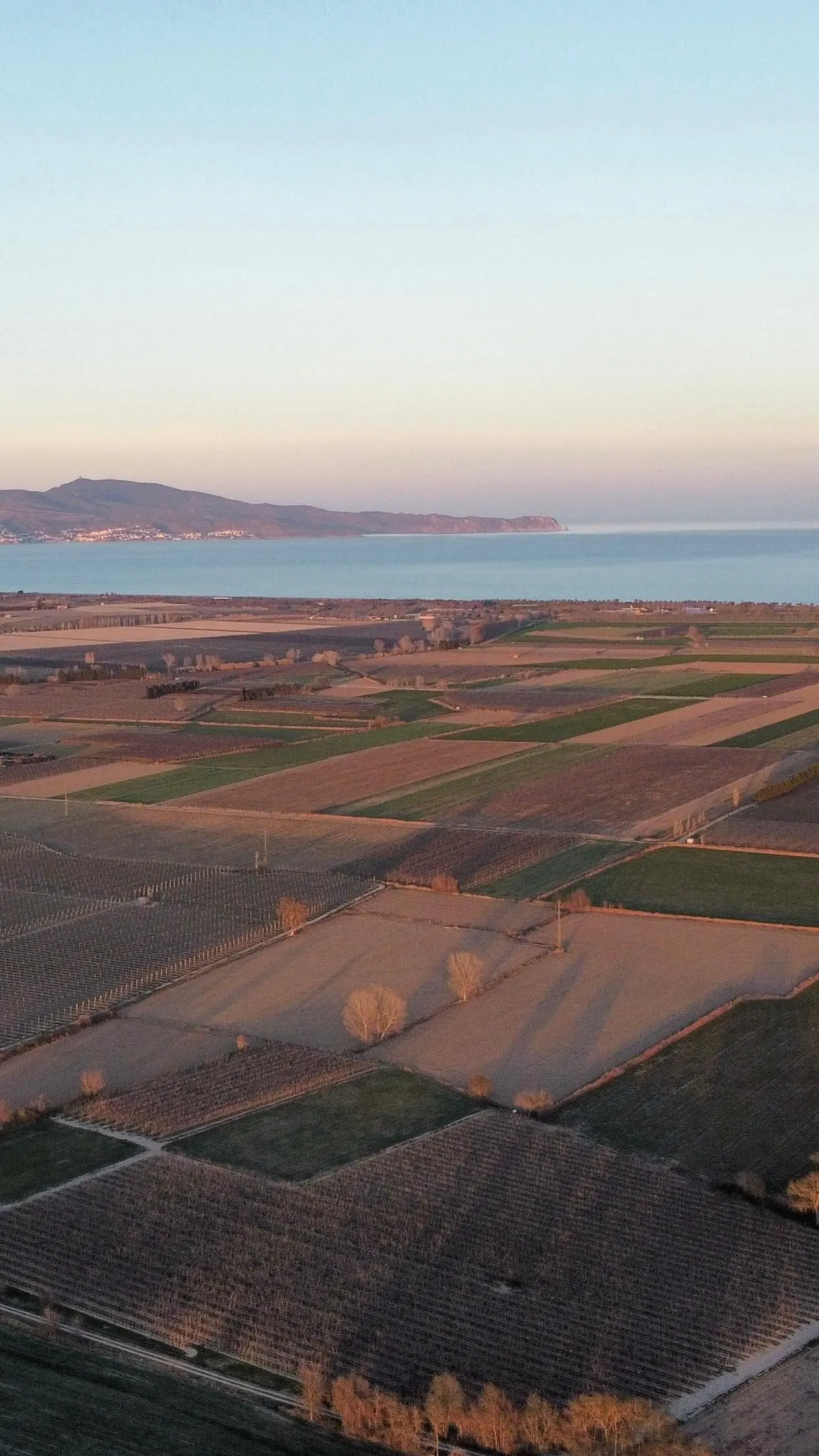
Around 575 BC, Greek sailors from Phocaea landed on this coast and founded Emporion, a port open to the whole Mediterranean. Centuries later, Rome built its own city beside the Greek one. The ruins of Empúries are still there, facing the sea.
In 1992 the story began again in the same place: the Barcelona Olympic flame reached land at Empúries aboard a rowing boat.
L'Escala through the years

A town made of salt.
For centuries, L'Escala lived on what the boats brought in. Oily fish has been salted here since the 16th century, and the L'Escala anchovy came to be known far beyond the Empordà.
The Alfolí de la Sal stored the salt that came by sea from Ibiza and Torrevieja. Every third Saturday in September, the Festa de la Sal takes the old harbour back to those days.
White houses, streets that run down to the sea.
The old town keeps the scale of a fishing village: whitewashed façades, coloured shutters, doors that open straight onto the street. Caterina Albert, “Víctor Català”, was born here in 1869. Her literary trail follows these same streets down to La Punta.
A walk through the old town

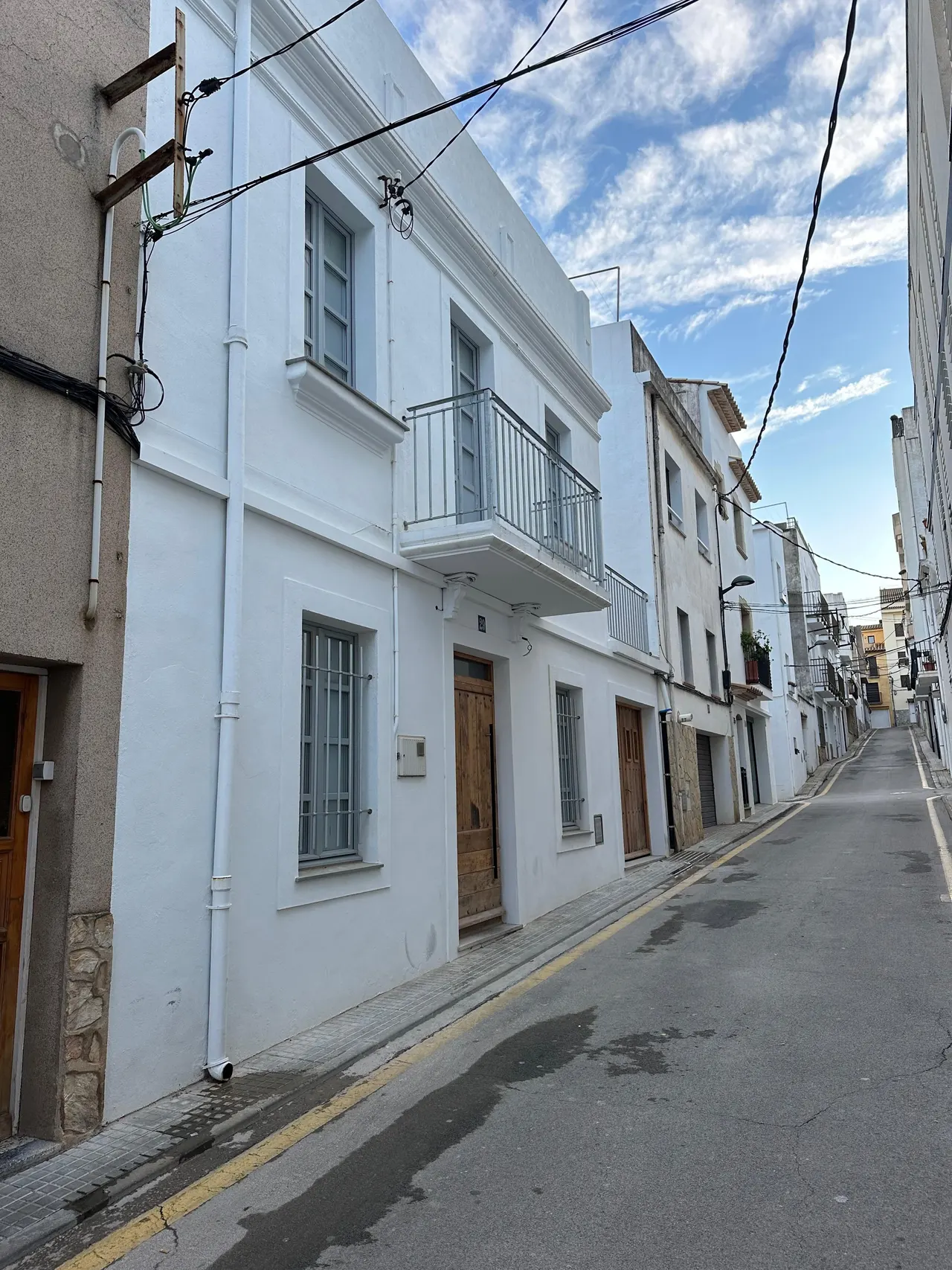
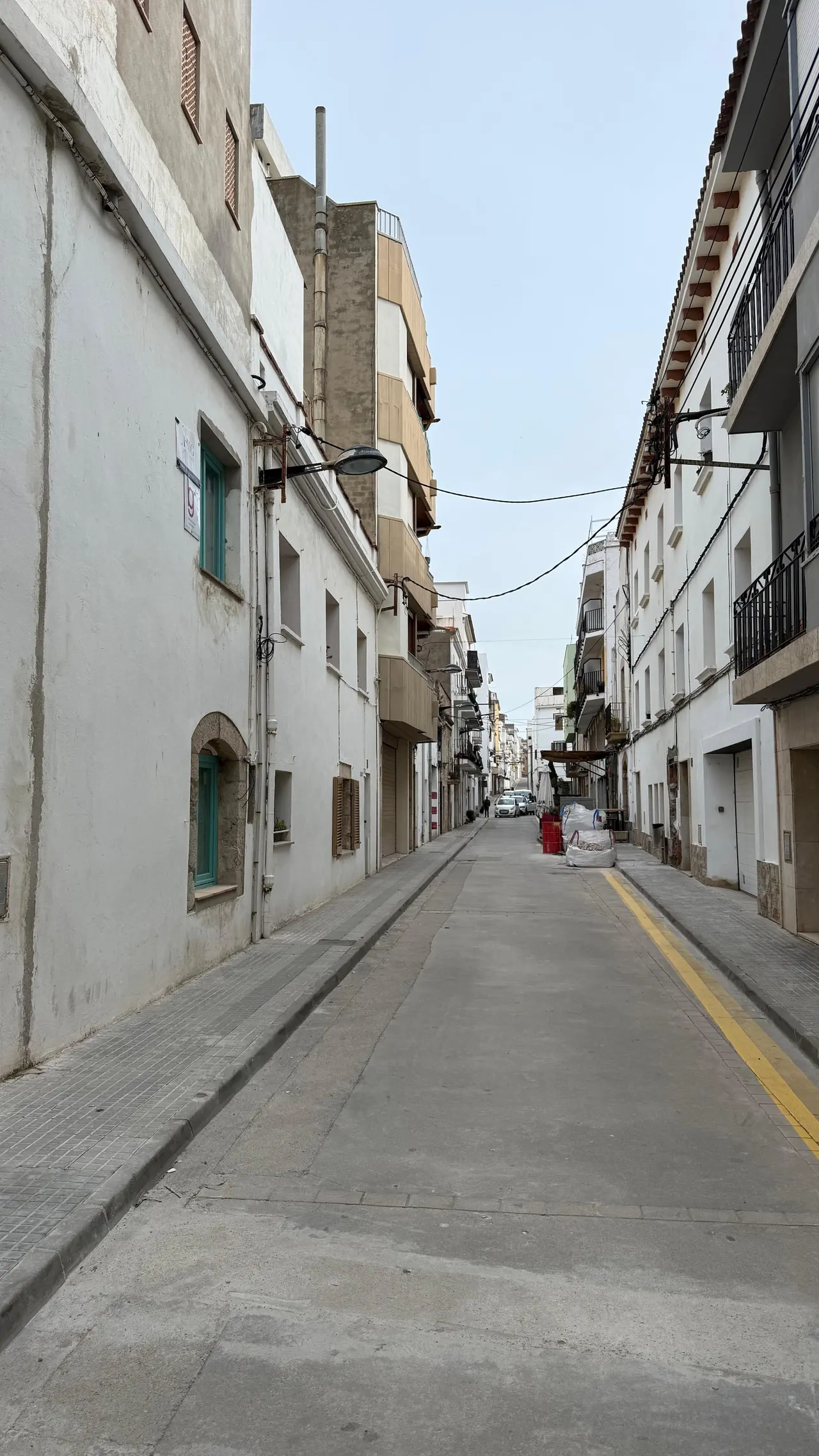


Drag or use the arrows to browse the photos.
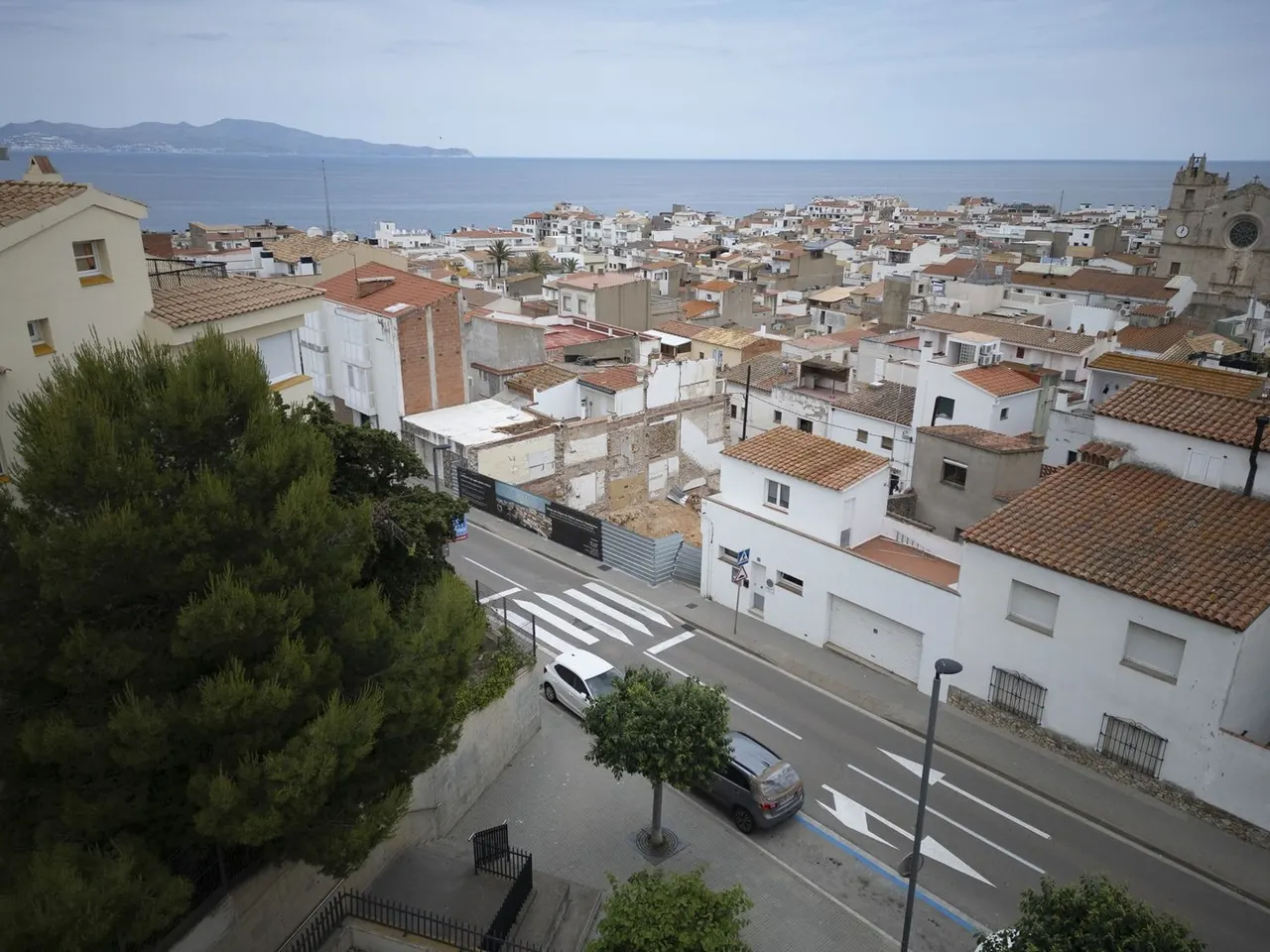
In these streets, with the bell tower of Sant Pere in sight, Les Cases del Mar come to life.
From plot to home.

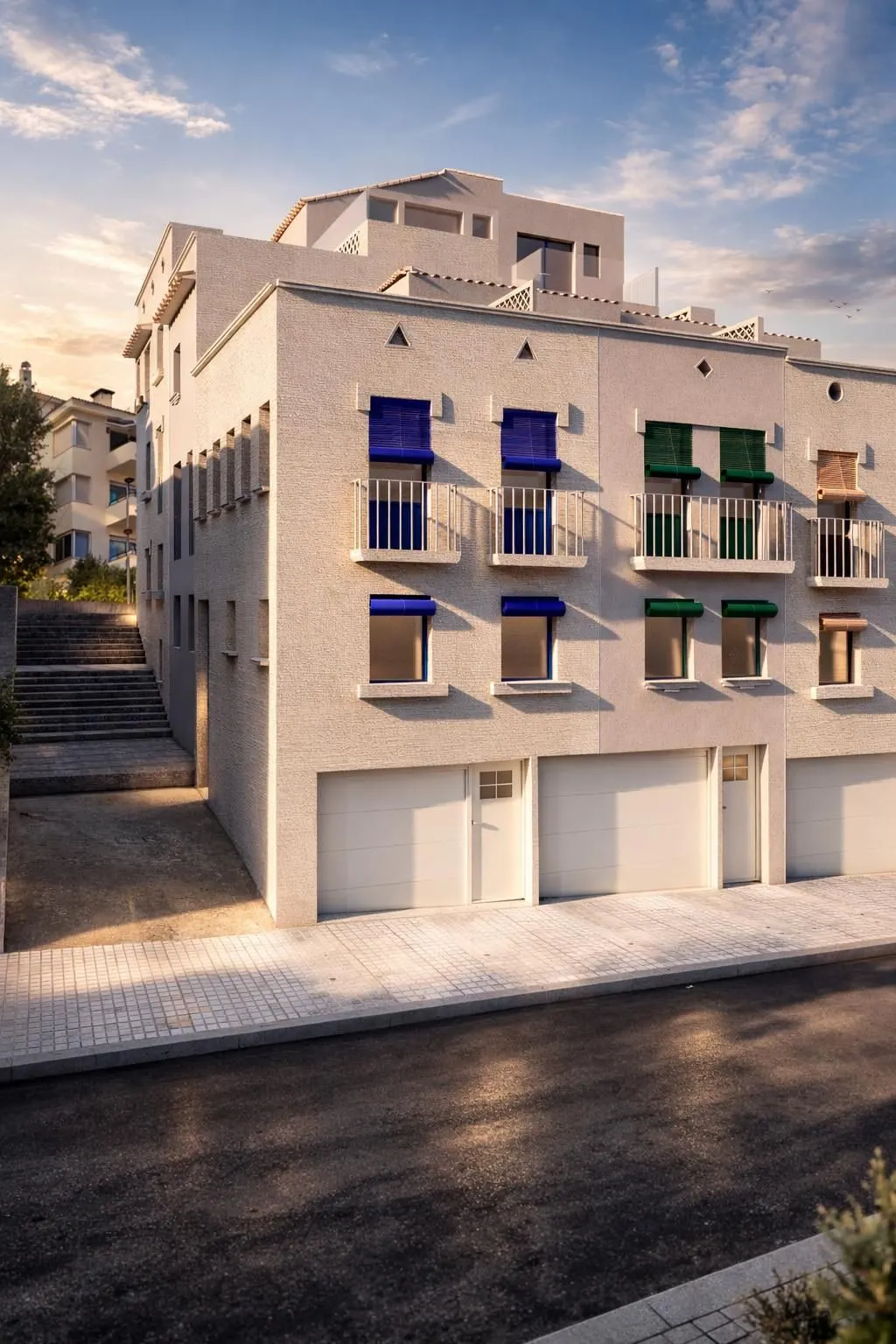
A plot in the heart of the old town and six houses that go back to the way the town has always built: lime on the façades, tiled eaves, coloured shutters and doors, lattice screens on the roofs. Inside, vaulted ceilings, exposed beams and materials that age well.
Six doors, six houses.
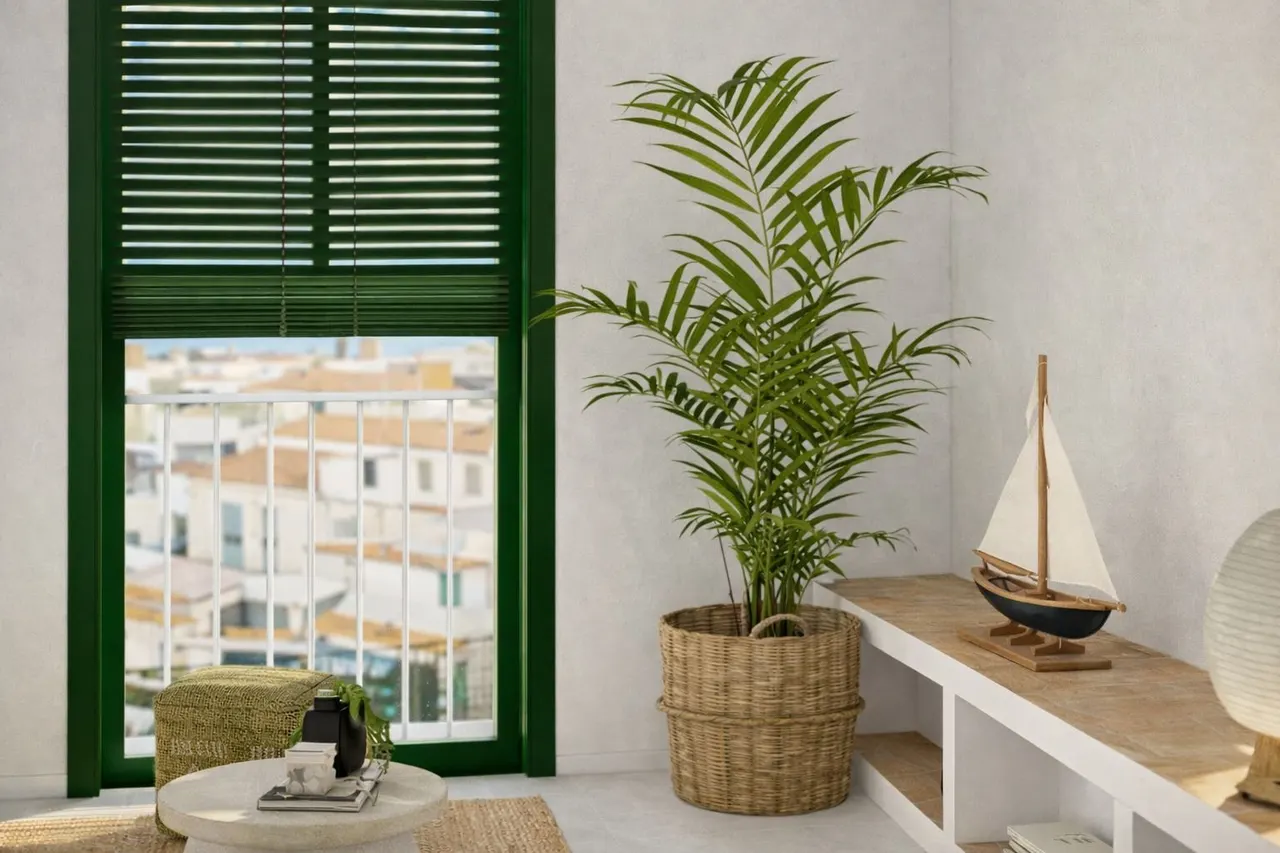
Each house has its own front door, its own garage and its own rooftop pool. And a colour: the colour of its doors and windows.



Up top, the sea.
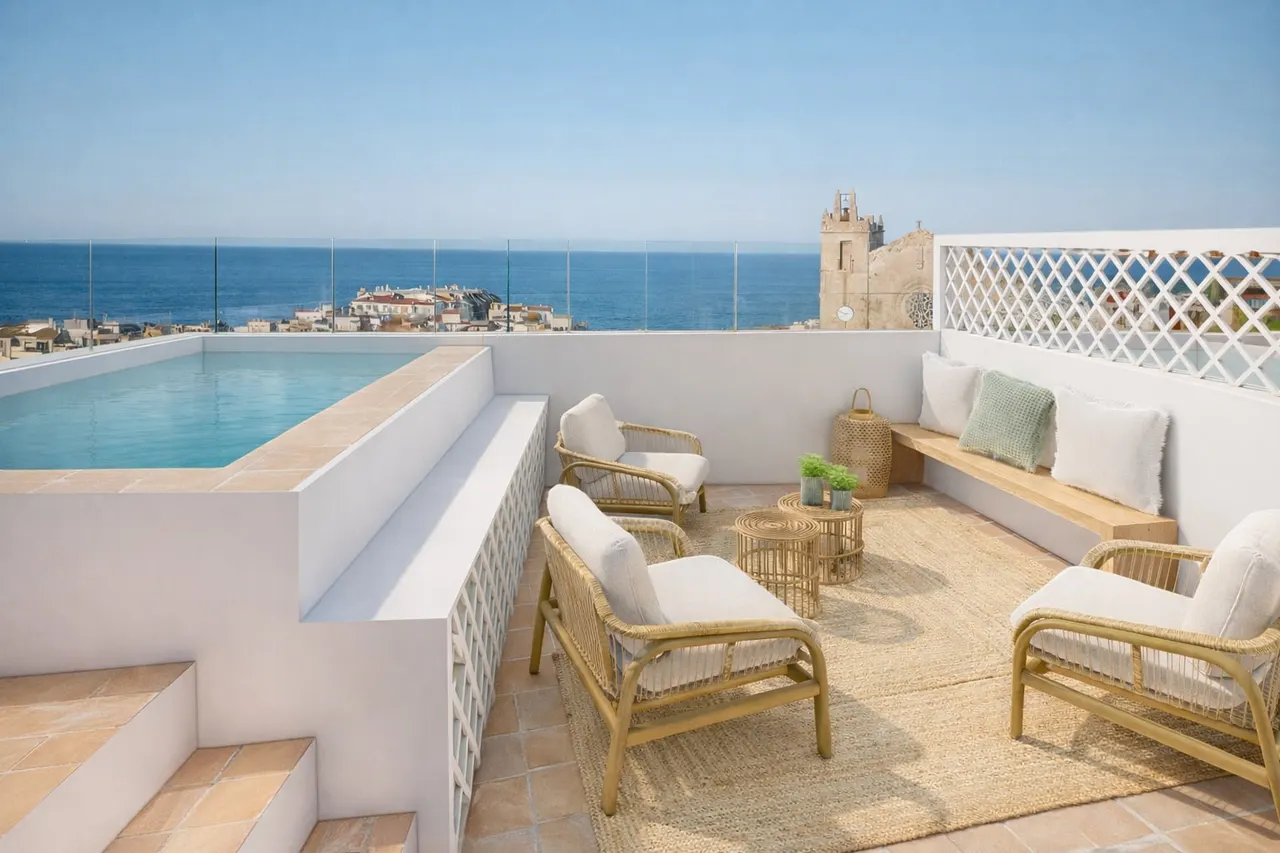
Every house ends the same way: a roof terrace with its own pool. A place for the first coffee and the last swim of the day.
Inside.
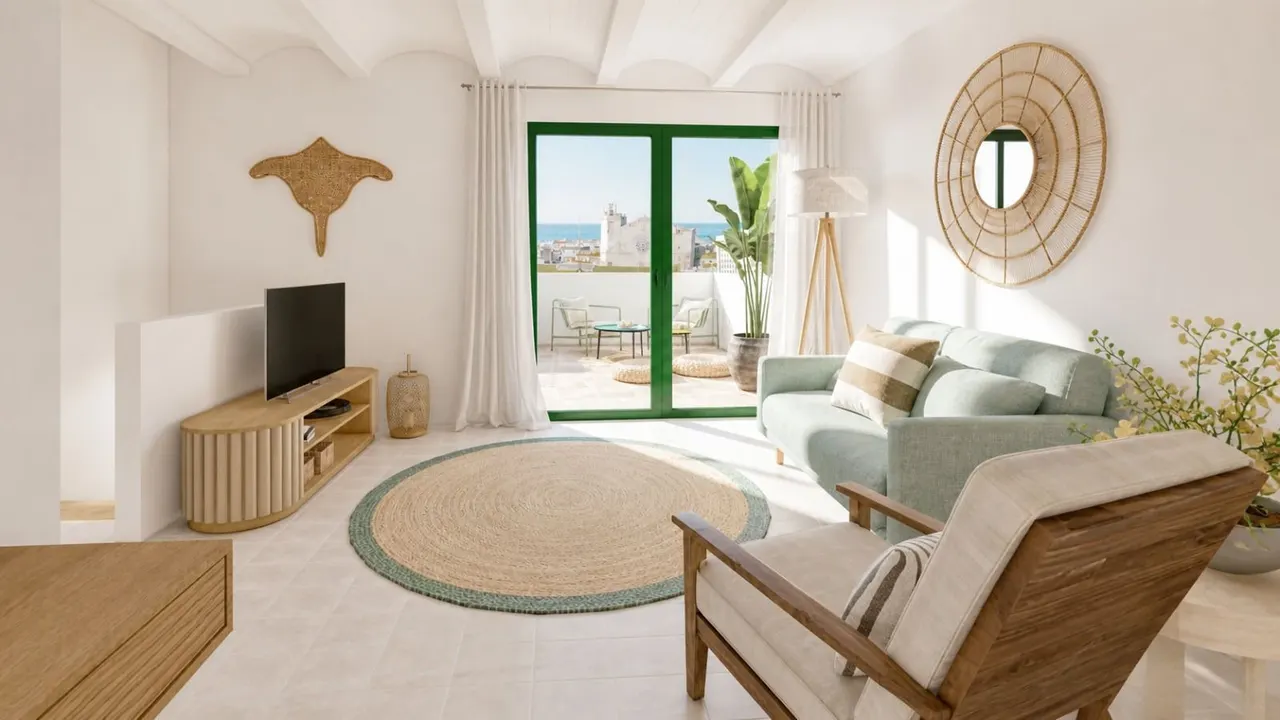
Vaulted ceilings and exposed beams, pale floors, ceramic tiles, wood and natural fibres. The same calm in every house, with a different colour in each.
Vault and beam
Ceramics
Wood and fibre
Light
An ordinary day.
In the morning, the walk along the sea.

At midday, a cove of clear water.

In the afternoon, the streets that run down to the beach.
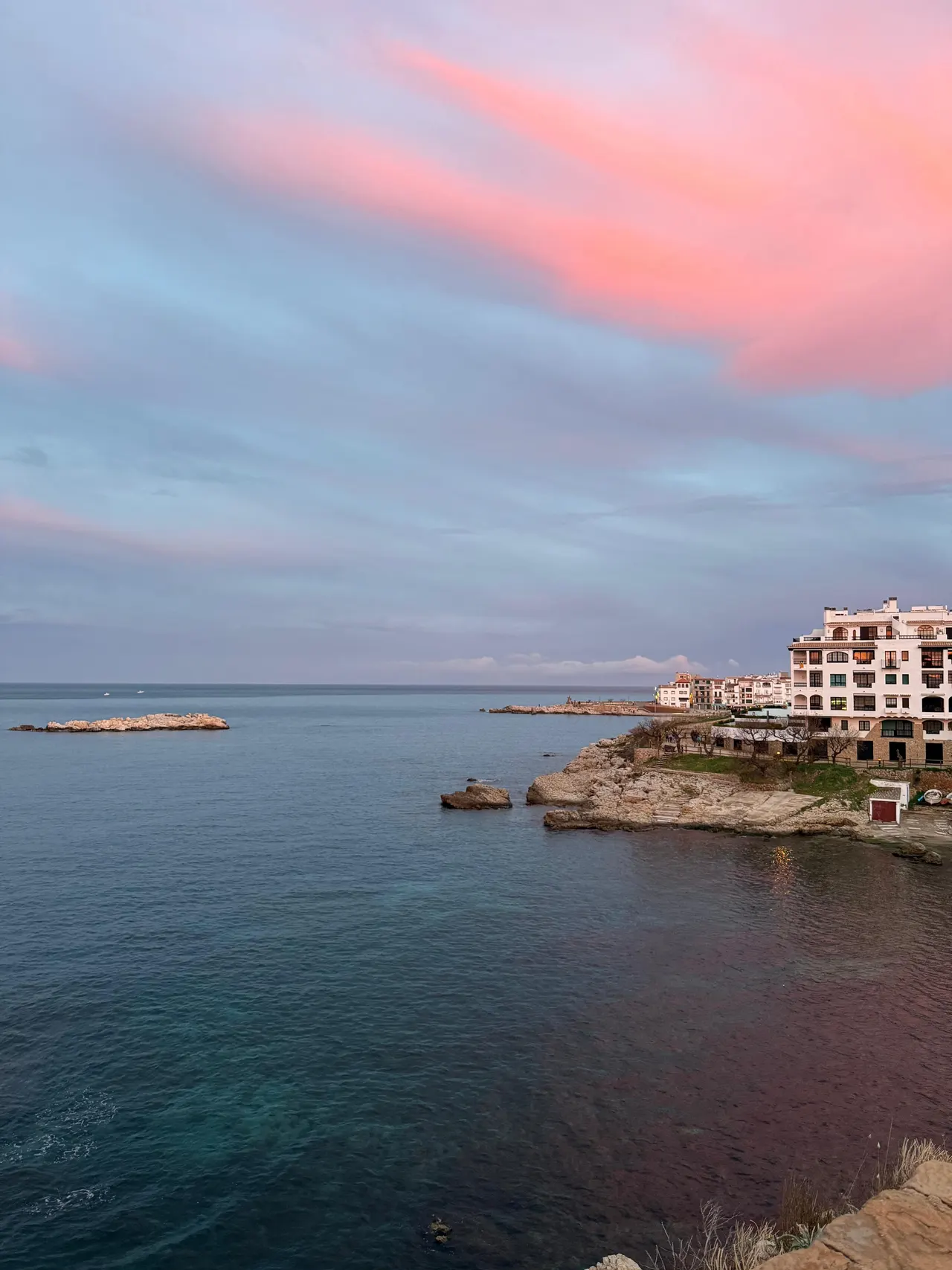
At sunset, the rocks turn pink.
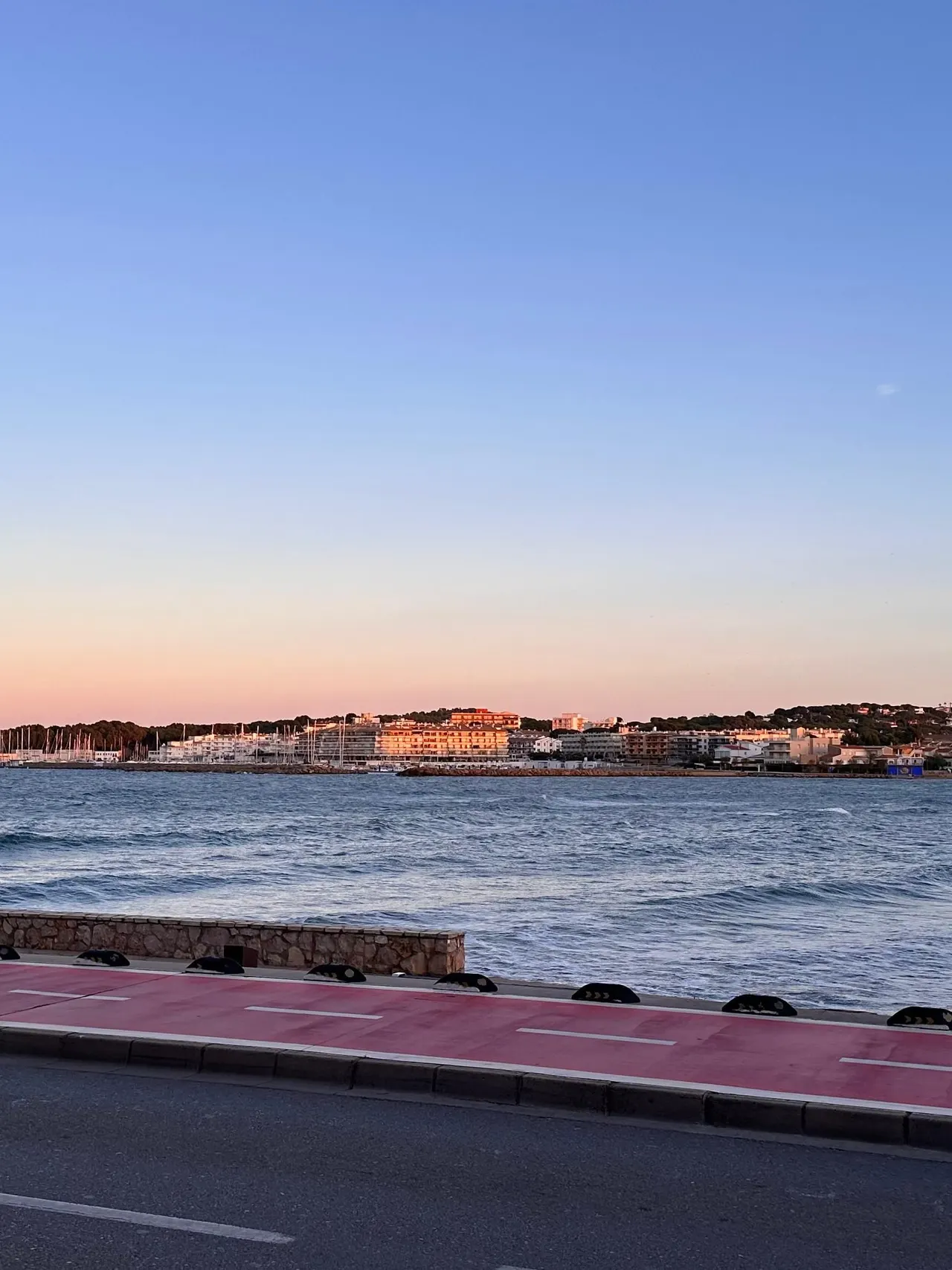
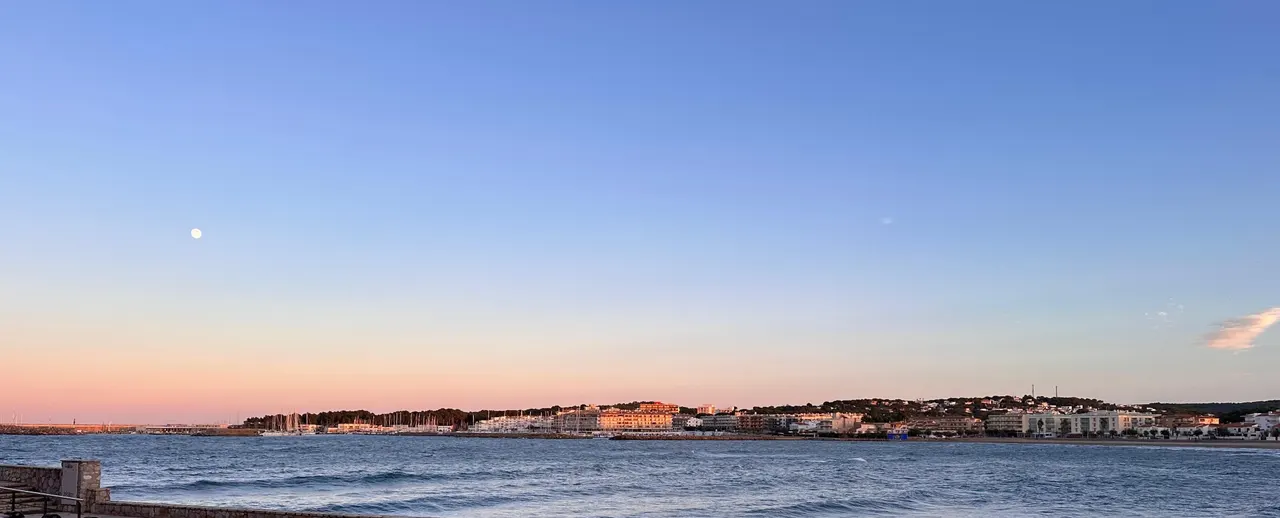
And as night falls, the bay lights up.
The build, live.
We start building in 2026. First the structure, then the spaces, and finally the light and the materials. We share it step by step on Instagram.
- 2025Design
- 2026Construction startsNow
- Structure
- Interiors
About us.
DSEA Home is the name under which the Massafont family designs, builds and looks after its own houses on the Costa Brava. We started in 1997 and our office is on the Passeig del Mar in L'Escala.
Request the brochure.
We'll send you the plans, floor areas and specifications of the house you choose.